No items found.
No items found.

Effective communication in the business environment is not just about sharing information; it's about sharing it in a way that is digestible, actionable, and constructive. For executives, who must not only manage but also inspire, the stakes are particularly high. The Five C’s of Effective Communication—Clarity, Conciseness, Consistency, Credibility, and Connection—serve as a framework for enhancing not only interpersonal interactions but also organizational culture. Modern business communication tools further support this framework by helping leaders deliver clear, structured, and impactful messages. This guide offers an in-depth exploration of each of these elements, providing the insights needed to communicate effectively and lead with confidence.
Clarity is the cornerstone of effective communication—it’s about presenting your message in a way that ensures your ideas are understood and actionable. For executives, clear communication is a critical skill that directly impacts productivity, decision-making, and relationship-building within a team or organization.
Ambiguity can derail success. Misinterpretations lead to confusion, costly mistakes, and inefficiencies that waste both time and resources. Clarity eliminates these risks by ensuring that instructions, updates, and feedback are concise, consistent, and easy to follow. The goal? To help all parties involved understand expectations, priorities, and objectives without room for miscommunication.
Define your objectives: Start with a clear goal. Knowing what you want to achieve allows you to focus your communication and limit unnecessary details.
Use simple, direct language: Cut through jargon and overly complex sentences. For example, instead of saying, "The overarching intent behind this initiative is to facilitate operational streamlining," say, "This project will simplify operations."
Organize and structure your message: Structure matters. Break down complex information into bullet points, numbered lists, or clear sections. This improves readability and helps your audience stay focused.
When Steve Jobs introduced the iPhone, he didn’t dive into technical jargon. Instead, he used straightforward, relatable language to highlight the revolutionary features of the device. He said: “Today, Apple is going to reinvent the phone.” His message was concrete and memorable, resonating with both tech enthusiasts and casual listeners. The clarity of his words ensured that the significance of the product was easily understood by a global audience.
By following similar principles—staying concise, using accessible language, and focusing on key points—you can make sure your message lands effectively. Know more about how to present like Steve Jobs.

Conciseness is the art of saying more with less. It’s about delivering your message in a way that is complete yet brief, respecting the time and attention of your audience while ensuring that your communication is impactful and actionable.
In business, time is not just money—it’s opportunity. Concise communication saves time for everyone involved, fostering productivity and reducing operational delays. Overly wordy messages dilute the core meaning and risk losing your audience's attention. A concise message ensures that the key takeaways stand out, improving decision-making and execution.
Prioritize information: Identify the main points that need to be conveyed. Ask yourself, “What does my audience need to know?” and focus on those critical details.
Edit ruthlessly: Cut out redundant phrases, filler words, and unnecessary details. For example, instead of saying, “Due to the fact that we have limited resources,” say, “Because resources are limited.”
Refine through practice: Regularly review and revise your written or verbal communications. Refining this skill over time can help you develop an intuitive sense for what’s essential.
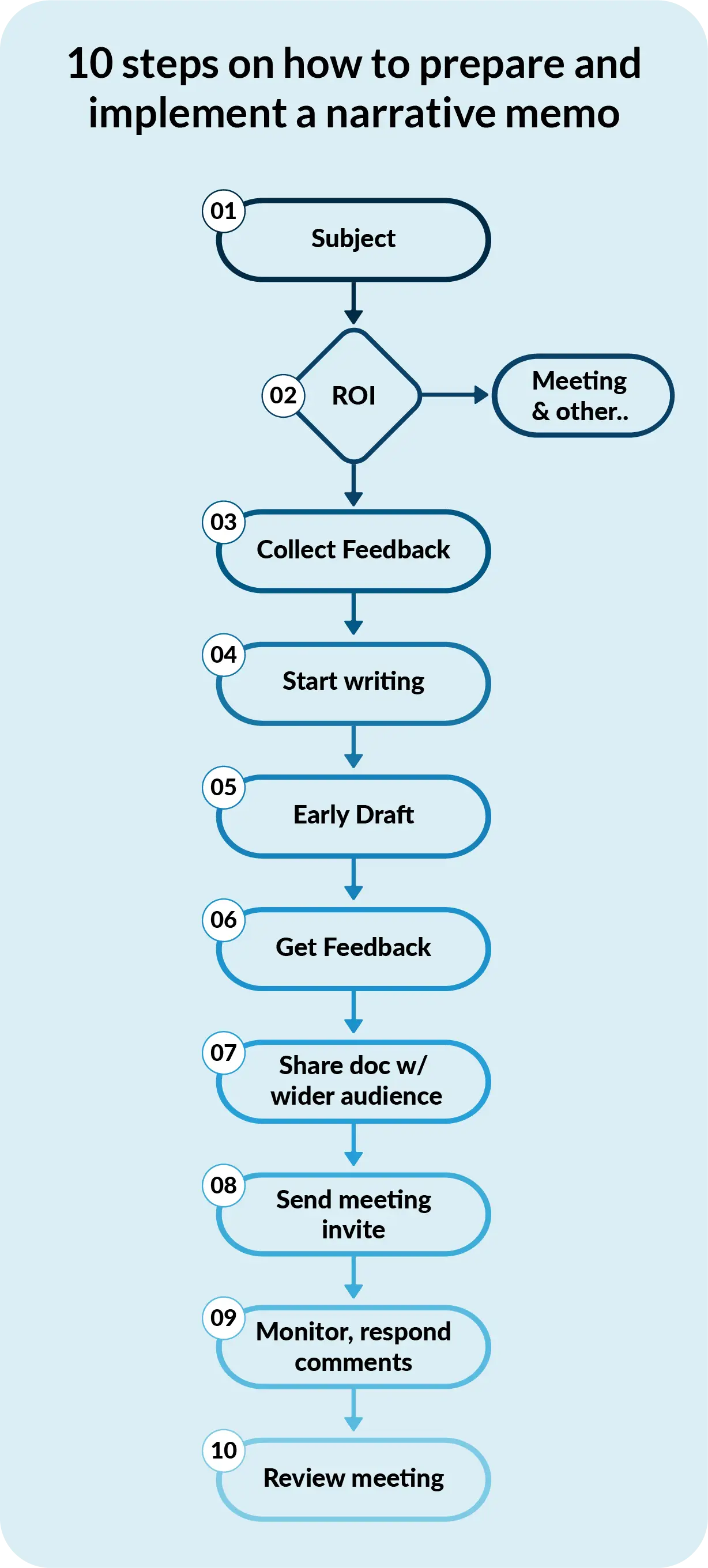
Jeff Bezos exemplifies conciseness with his famous "narrative memos" used in Amazon meetings. These six-page documents are tightly written, information-rich, and structured to guide decision-making. Every sentence in these memos has purpose—fluff is stripped away, and only relevant details remain. This approach not only respects the time of his team but also ensures focus and clarity on the core issues.
Consistency in communication is more than just repetition—it’s about presenting a unified and dependable voice that builds trust, fosters loyalty, and reinforces your values. It’s what sets reliable individuals and brands apart in the eyes of their teams, clients, and stakeholders.
Builds trust: Consistent communication reinforces reliability. When your messages align over time, people know they can count on you, whether it’s within a team, across an organization, or with external partners.
Reinforces brand and values: For organizations, consistent messaging ensures that core values and mission statements are clear and ingrained. This clarity helps align employees and enhances the perception of the brand externally.
Develop a style guide: Create a communication framework that outlines preferred tone, style, and formats for messaging. This tool ensures uniformity, especially in written communication, across teams and departments.
Repeat key messages: Repetition isn’t redundancy—it’s reinforcement. Revisit core themes and concepts regularly to keep them top of mind and woven into the fabric of company culture.
Align across channels: Whether you’re communicating via email, meetings, social media, or internal memos, ensure the tone, language, and key points remain consistent. This approach avoids confusion and ensures a unified voice.
Coca-Cola stands as a prime example of the power of consistency. For decades, the company has delivered the same core message of happiness and togetherness. From their advertisements to product packaging, every piece of communication ties back to this theme. This reliability in tone and message has cemented Coca-Cola as one of the most recognized and trusted brands worldwide. It’s a testament to how consistent messaging builds a legacy.



Credibility is the foundation of trust and influence. It’s the key to becoming a respected leader and a dependable voice in your organization or industry. Building and maintaining credibility ensures your message is heard and acted upon with confidence.
Foundation of leadership: Credible leaders inspire trust and loyalty. Teams are more likely to follow a leader who demonstrates integrity, reliability, and expertise.
Encourages loyalty and respect: Credibility strengthens relationships with peers, employees, and clients, fostering an environment of mutual respect and long-term commitment.
Be honest: Transparency is critical. Whether delivering good news or addressing challenges, being truthful builds trust and reinforces your integrity.
Demonstrate expertise: Back up your statements with evidence, data, or examples of your experience. For instance, saying, “Our approach reduced costs by 15% last quarter” carries far more weight than a vague claim of success.
Own your mistakes: Admitting when you’re wrong not only humanizes you but also shows accountability. This honesty often strengthens trust rather than undermines it.
When Satya Nadella became CEO of Microsoft, he didn’t shy away from addressing the company’s past missteps, such as its struggles to adapt to the mobile-first era. Instead, he openly acknowledged these issues and used them as a launching pad for transformation. Nadella’s transparency and clear vision for innovation, such as focusing on cloud computing and AI, revitalized the company’s credibility and inspired confidence both internally and externally. Under his leadership, Microsoft regained its status as an industry leader.
Connection transforms communication from a transactional exchange into a meaningful interaction. It’s about infusing your thoughts with empathy and emotional intelligence to create bonds that motivate, inspire, and engage. By prioritizing genuine relationships, you create a collaboration that goes beyond words.
Enhances engagement: A personal connection makes your message resonate on a deeper level, increasing buy-in and commitment from your audience. People are more likely to listen, act, and align with someone they feel genuinely understands and values them.
Facilitates feedback: Strong connections create a safe space for open dialogue, where feedback flows freely. This openness fosters continuous improvement and mutual growth.
Personalize your professional communication: Address individuals by name, tailor your message to their needs, and consider the context of your audience. This approach makes communication feel personal and relevant.
Listen actively: Connection begins with listening. Show genuine interest in what others have to say, maintain eye contact, and respond thoughtfully to their ideas or concerns.
Share personal stories: Relatable anecdotes humanize you and make your message more impactful. Stories create emotional bridges that bring your audience closer, whether you’re addressing a team or speaking at a large event.
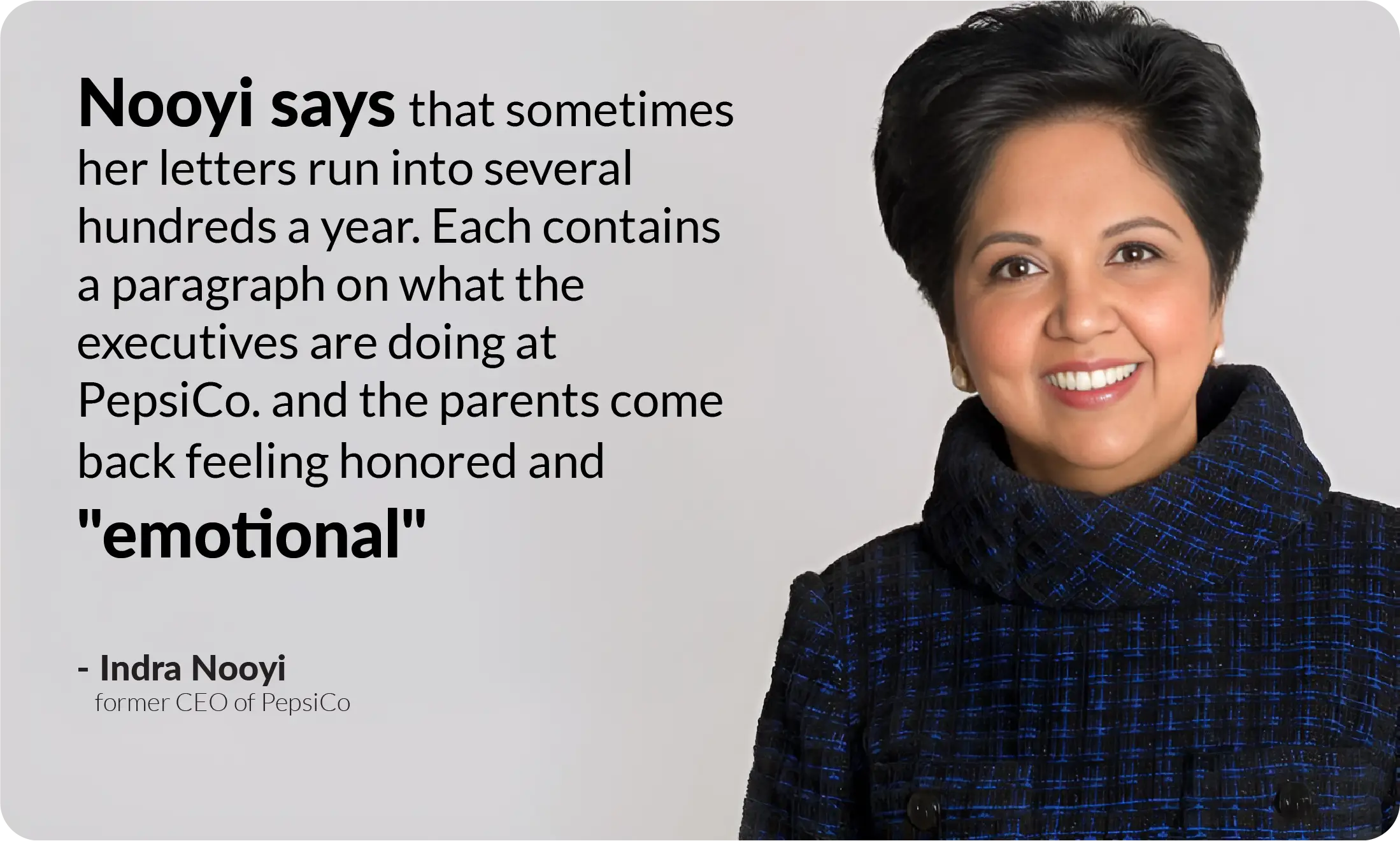
Indra Nooyi, former CEO of PepsiCo, exemplified the power of connection by weaving personal anecdotes into her leadership style. She shared stories about her upbringing, challenges she faced, and lessons she learned, which made her relatable and authentic to employees at all levels. One notable tip was her practice of writing letters to the parents of her senior executives, acknowledging the influence of family in shaping great leaders. This deeply personal touch created a strong bond of trust and loyalty within her team, inspiring them to bring their best selves to work.
Applying the 5 C's helps you tailor your communication style to be more clear and credible, ensuring your messages are consistently understood and appreciated, making your coaching more effective.
Yes, the 5 C's can be crucial in conflict resolution by providing a framework to communicate in a respectful and direct way, fostering a safer and healthier environment through clear, concise, and consistent messages.
Body language and making eye contact are integral parts of Connection, one of the 5 C's, helping to convey sincerity and engage your reader or listener in a more personal and effective way.
Presentations are a vital tool in business communication, serving not just to inform but also to persuade and engage an audience. Integrating the 5 C's—Clarity, Conciseness, Consistency, Credibility, and Connection—into your presentation techniques can significantly elevate their effectiveness.
Prezent AI is designed to enhance these aspects of your presentations seamlessly. It assists in organizing content clearly and concisely, avoiding clutter on your slides. The platform's consistent and professional design templates help maintain a coherent look and feel, reinforcing your message effectively. With up-to-date data integration features, Prezent AI ensures that your content remains credible and authoritative. By leveraging Prezent, you streamline the creation process and align your presentations with the 5 C's, ensuring they are impactful and well-received. Try Prezent AI with a free account, or connect with our experts for a quick demo.

Bharti is a product marketing writer at Prezent who believes great writing starts with deep reading. She began her career in finance, switched paths in 2019, and has since worked with Kintegra, Clearout, Miko, CaratLane, and, of course, Prezent. From content marketing to product marketing, she enjoys simplifying complex product and technical ideas without losing meaning. As she always says, “If it needs explaining twice, it needs better writing.”
Connect with her on LinkedIn.